Queen Noor Aviation University College
Queen Noor Aviation University College is a specialized university-level
educational institution dedicated to providing academic and applied education
in the fields of aviation and various other disciplines. It represents an
extension of a well-established journey that began in the year 1973 as a
training center, with the support of the International Civil Aviation
Organization (ICAO) and the United Nations Development Programme (UNDP).
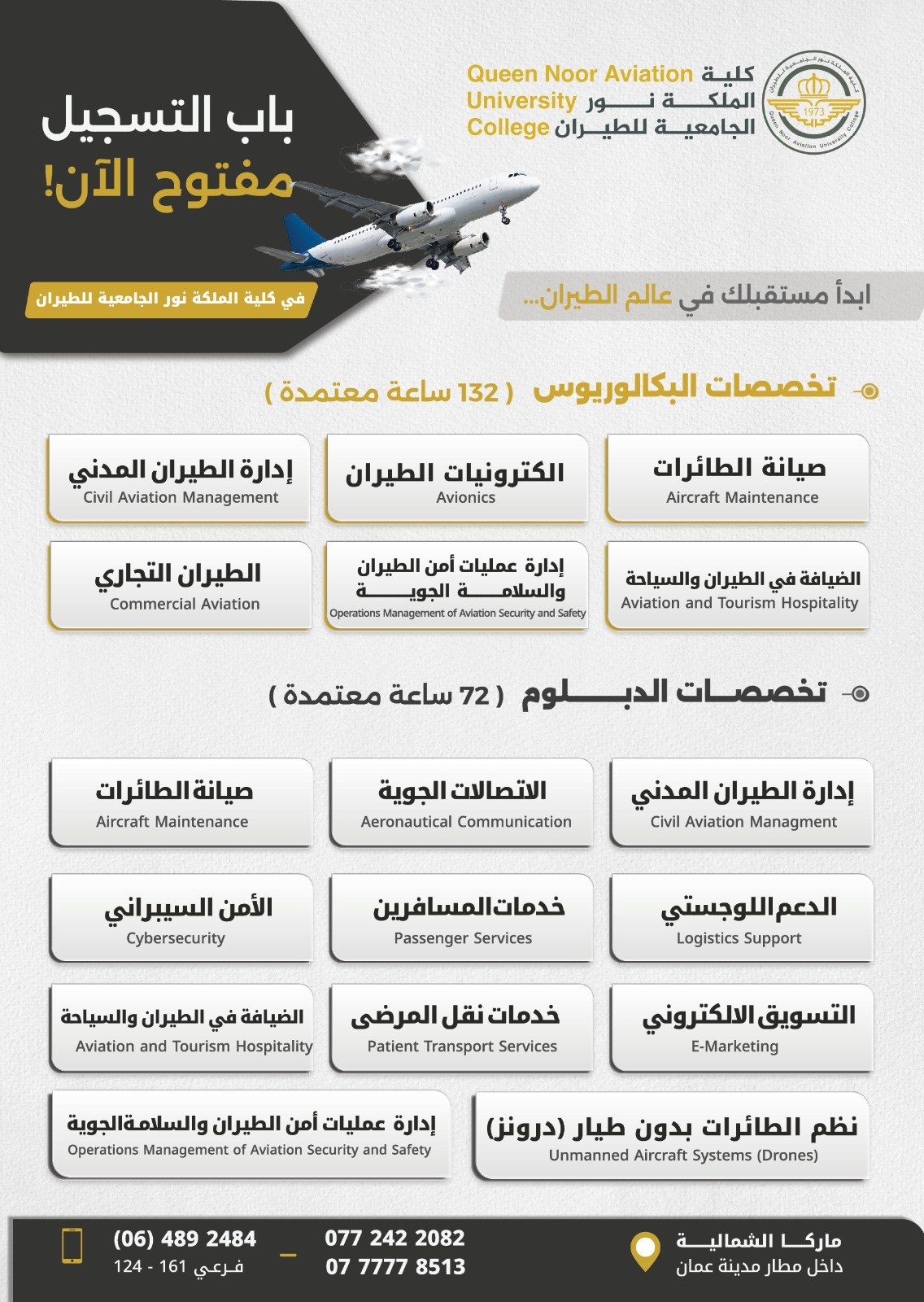
In line with the rapid development in the aviation industry and the evolving needs of the labor market, the college underwent a qualitative transformation in 2025 to become a university college granting bachelor’s degrees, alongside technical programs and various diploma certificates, in accordance with locally and internationally accredited academic and professional standards.
The college is committed to providing an integrated educational environment
that combines advanced theoretical knowledge with practical, hands-on training.
This is supported by a highly experienced academic staff and modern
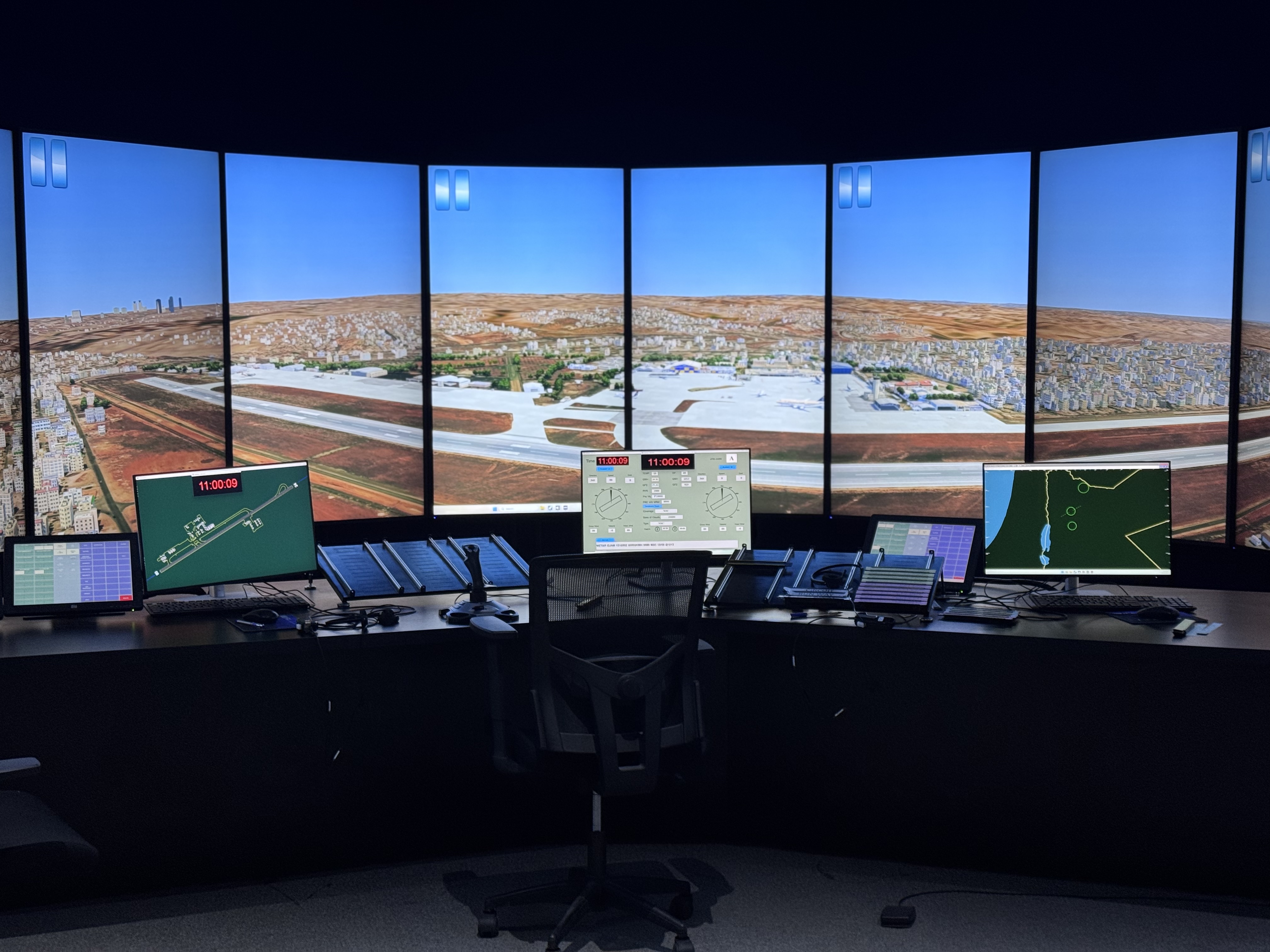
infrastructure, including specialized laboratories and training centers,
contributing to the graduation of qualified cadres capable of competitiveness
and innovation in the aviation sector and beyond.
location
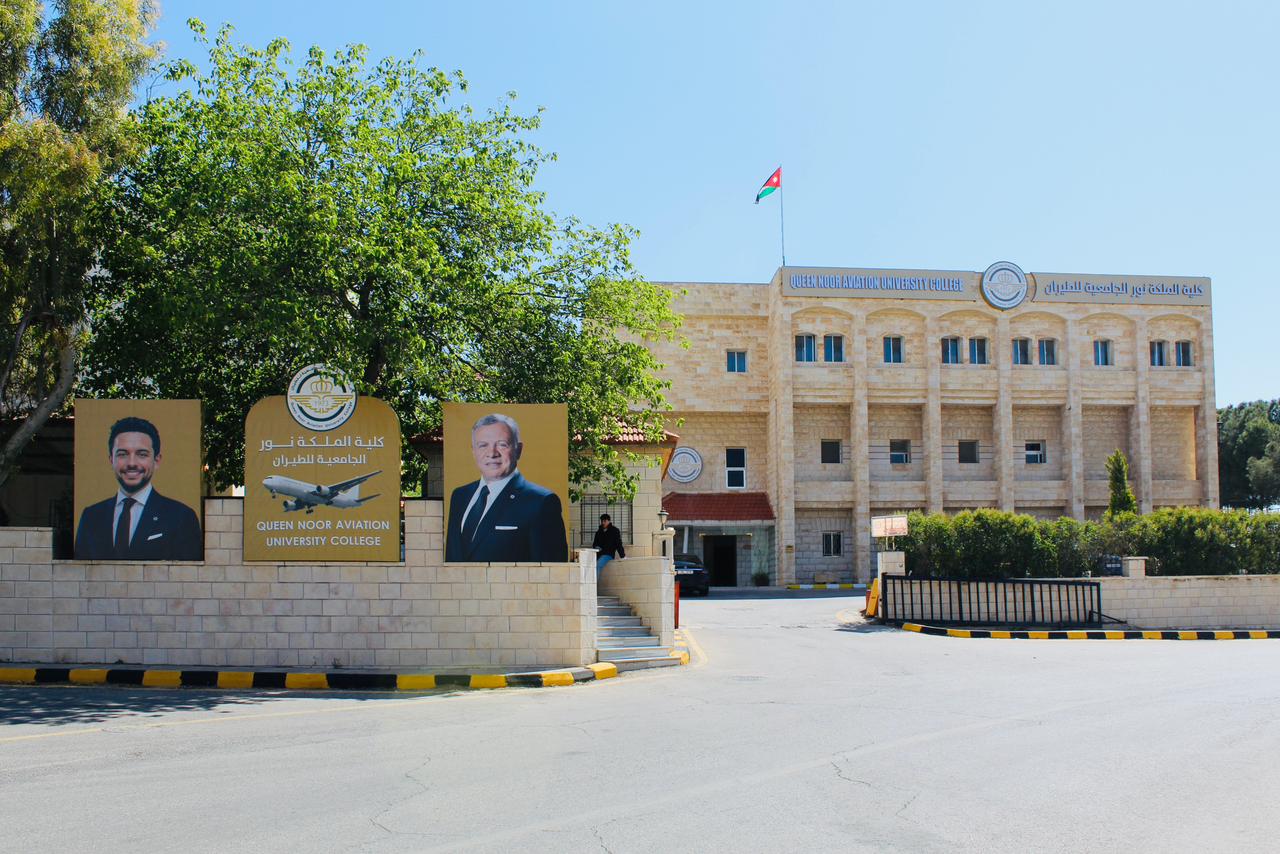
The College is located within the campus of Amman Civil Airport (previously known as Marka International Airport), approximately 12 kilometers from the center of the capital, Amman. This location provides a practical educational and training environment directly connected to the aviation sector.
Our Vision
To be a leading regional and global hub for education, training, and applied research in aviation and related disciplines, fostering innovation, entrepreneurship, and excellence while contributing to the advancement of the aviation industry in line with the highest international standards.
Our Mission
At Queen Noor College for Aviation, we are committed to preparing highly qualified aviation professionals equipped with advanced theoretical and practical skills through an innovative, student-centered learning and training environment. We promote critical thinking, creativity, cultural diversity, research, community engagement, and strong industry partnerships to ensure graduates’ readiness for local and international aviation markets and to support the sustainable development of the aviation sector.
Core Values
- • Quality and excellence.
- • Justice and integrity.
- • Teamwork spirit.
- • Continuous improvement and innovation
- •Transparency, clarity, and accountability.
- • Strengthening loyalty to the university college and the homeland
- • Promoting the values of tolerance and respect for others.Respecting and valuing cultural and social diversity.Enhancing partnerships with higher education institutions and civil society organizations.Professionalism: working with a sense of responsibility, discipline, and professional commitment.Development: keeping pace with modern advancements in the field of aviation